


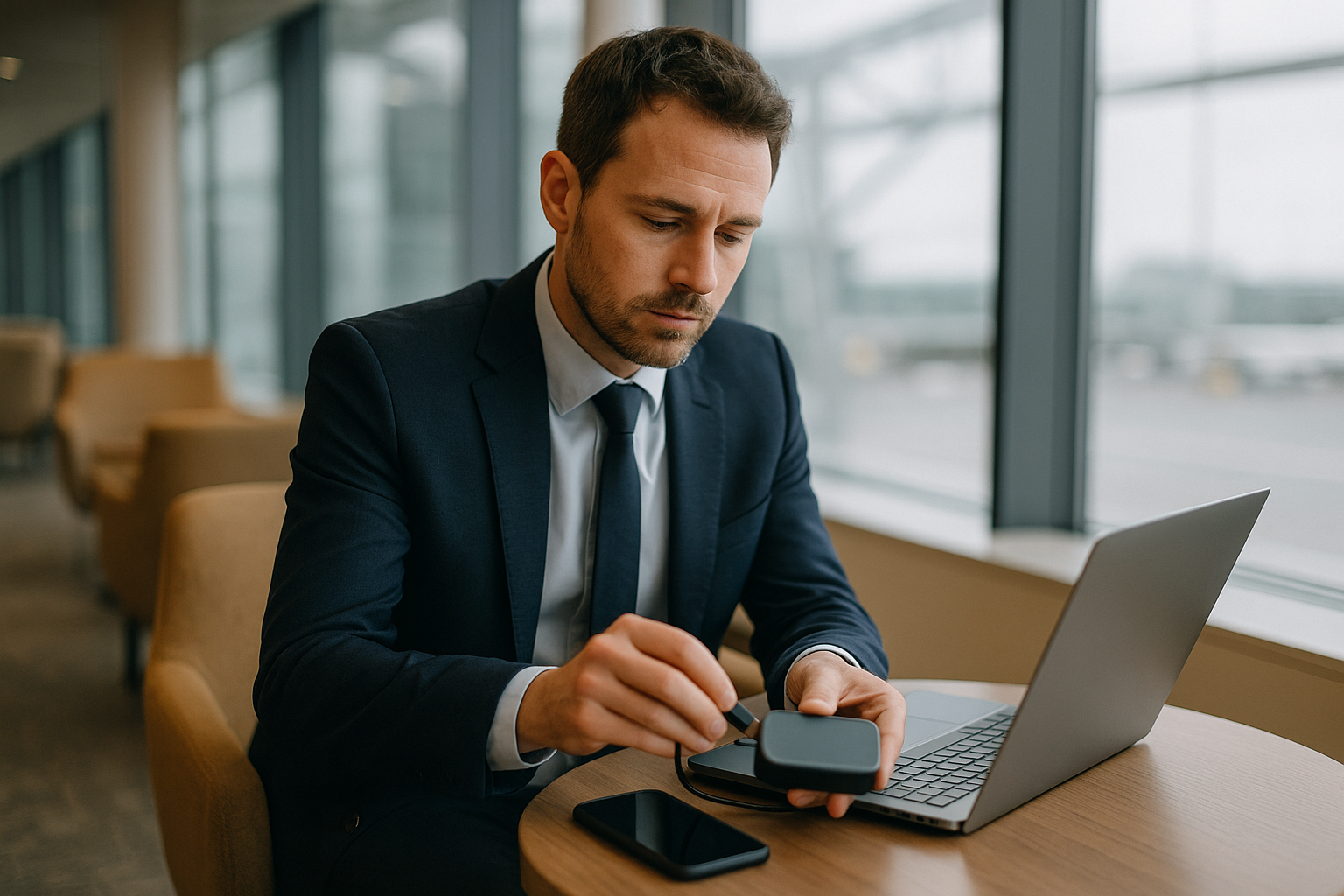
A mobile hotspot lets you share an internet connection with your laptop, tablet or other devices when you're away from fixed broadband. But not all hotspot connections work the same way. Knowing the difference between WiFi, Bluetooth and USB tethering helps you get online faster and avoid flat batteries or slow speeds when you're travelling.

WiFi hotspot: the standard choice
This is the connection most people mean when they say "hotspot". Your phone or pocket WiFi device broadcasts a small wireless network, and you join it just like you would café WiFi. It's fast, works with almost any device (laptops, tablets, game consoles), and lets multiple gadgets connect at once. The downside is power: WiFi hotspots drain the battery quickly, especially if you're streaming or on video calls.
If you're using rentnconnect's pocket WiFi rental for a city break or holiday, WiFi is the connection it uses. You get a dedicated device that doesn't flatten your phone battery, and you can share the connection with travel companions. Set it up once, then everyone's online for the day. It's practical when you're moving between museums, restaurants or transport and need reliable access on several devices.
For travellers who prefer to travel light, an eSIM plan from rentnconnect works directly in your phone—no extra hardware. You can still turn on your phone's WiFi hotspot to share data with your tablet or a friend's device. Manage your eSIM and top up data as you go in the rentnconnect app on iOS or Android, paying only for what you need from as little as one day.
Bluetooth and USB tethering: the alternatives
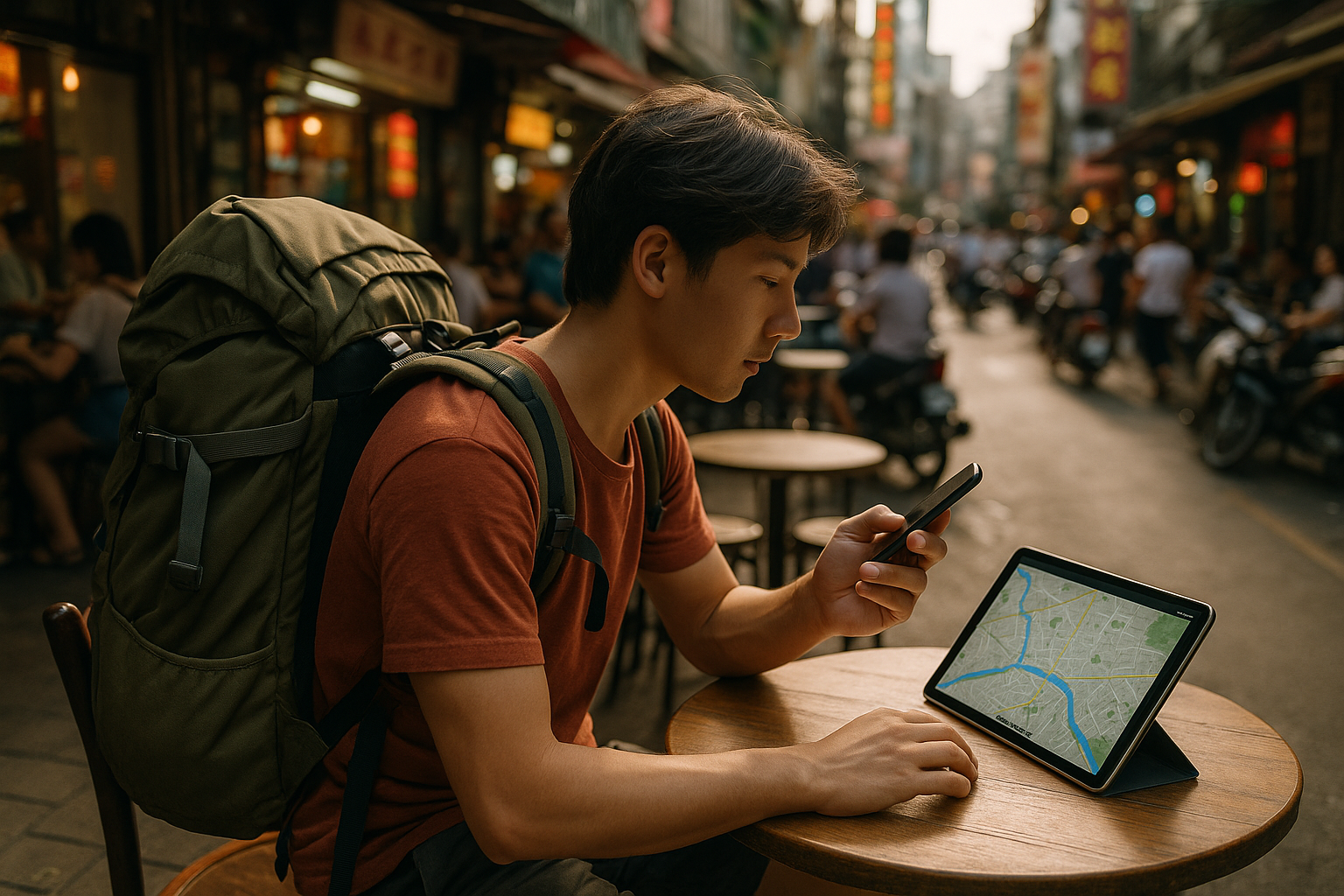
Bluetooth tethering uses less battery than WiFi but it's slower and usually connects only one device at a time. It's fine for checking email or light browsing on a laptop when you're trying to conserve phone power, but frustrating if you need to load maps quickly or join a work call. Setup can be fiddly, too—you'll need to pair devices in Bluetooth settings before the connection works.
USB tethering is the fastest and most stable option because it uses a physical cable between your phone and laptop. It also charges your phone while connected, which is handy. The obvious drawback: you're literally tethered, so it's awkward if you want to move around a hotel room or café. It only works with one device, and not all tablets or secondary phones support it. For most short-term travel, WiFi hotspot strikes the better balance between speed, convenience and flexibility—whether that's from a pocket WiFi rental or your phone's built-in hotspot feature.