


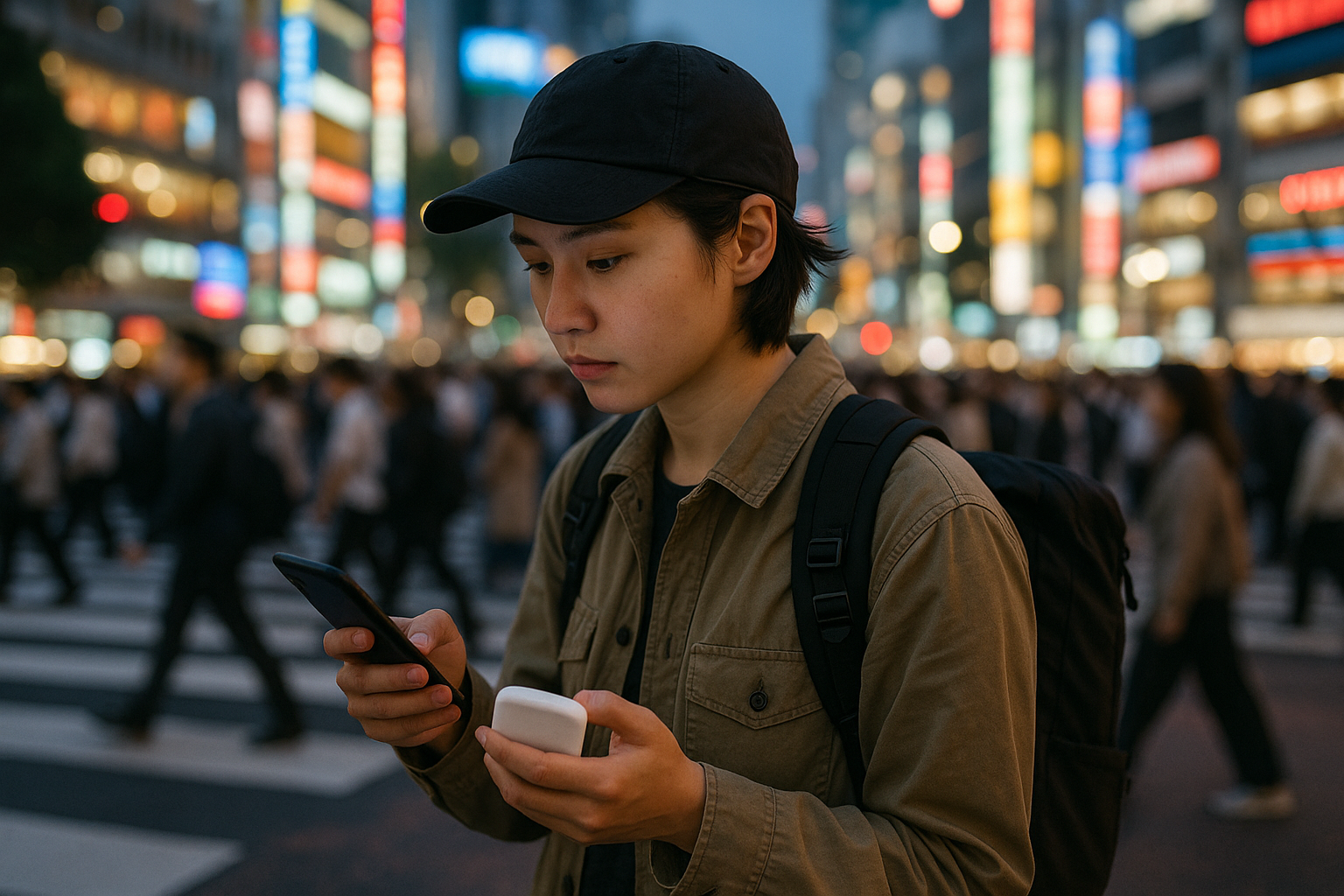
Japan remains one of the few countries where pocket WiFi rental is genuinely popular with tourists, and for good reason. Public WiFi is patchy outside major stations, most cafés don't offer it, and if you're travelling with family or friends, sharing one device between several phones and tablets makes practical sense. But renting physical hardware comes with trade-offs that aren't always obvious until you're standing at Narita collection counter at 11pm.

How pocket WiFi rental actually works in Japan
Most companies operate collection desks at Narita, Haneda, Kansai and other major airports, though not always in the main terminal—you might be directed to a counter in the basement car park or outside arrivals. You'll need your passport, a credit card, and the booking confirmation (usually emailed after you reserve online). The device itself is about the size of a thick phone, comes with a charging cable, and you're responsible for it until you post it back or return it to another airport desk before your flight home. Miss that return window and you'll be charged for extra days, sometimes at punishing daily rates.
Battery life is the practical issue nobody mentions enough. Most pocket WiFi units last four to six hours of active use, which sounds fine until you're out from 8am photographing temples in Kyoto, checking Google Maps every ten minutes, and uploading photos by lunchtime. You'll be carrying a power bank anyway—Japan is a long-day sightseeing country—but it's one more thing to manage, and the device itself adds weight and bulk to whichever pocket or bag you've designated as "important stuff that can't be stolen."
The rental model works best for groups. If there are three or four of you sharing the cost and genuinely staying together all day, the per-person price becomes reasonable and everyone stays connected. But if you're a solo traveller, or if your travel partner wants to wander off to different shops in Shibuya while you sit in a café, you've immediately got a problem. One person has internet, the other doesn't, and you're back to arranging meet-up times like it's 2005.
Why rentnconnect's mobile hotspot rental is the better version
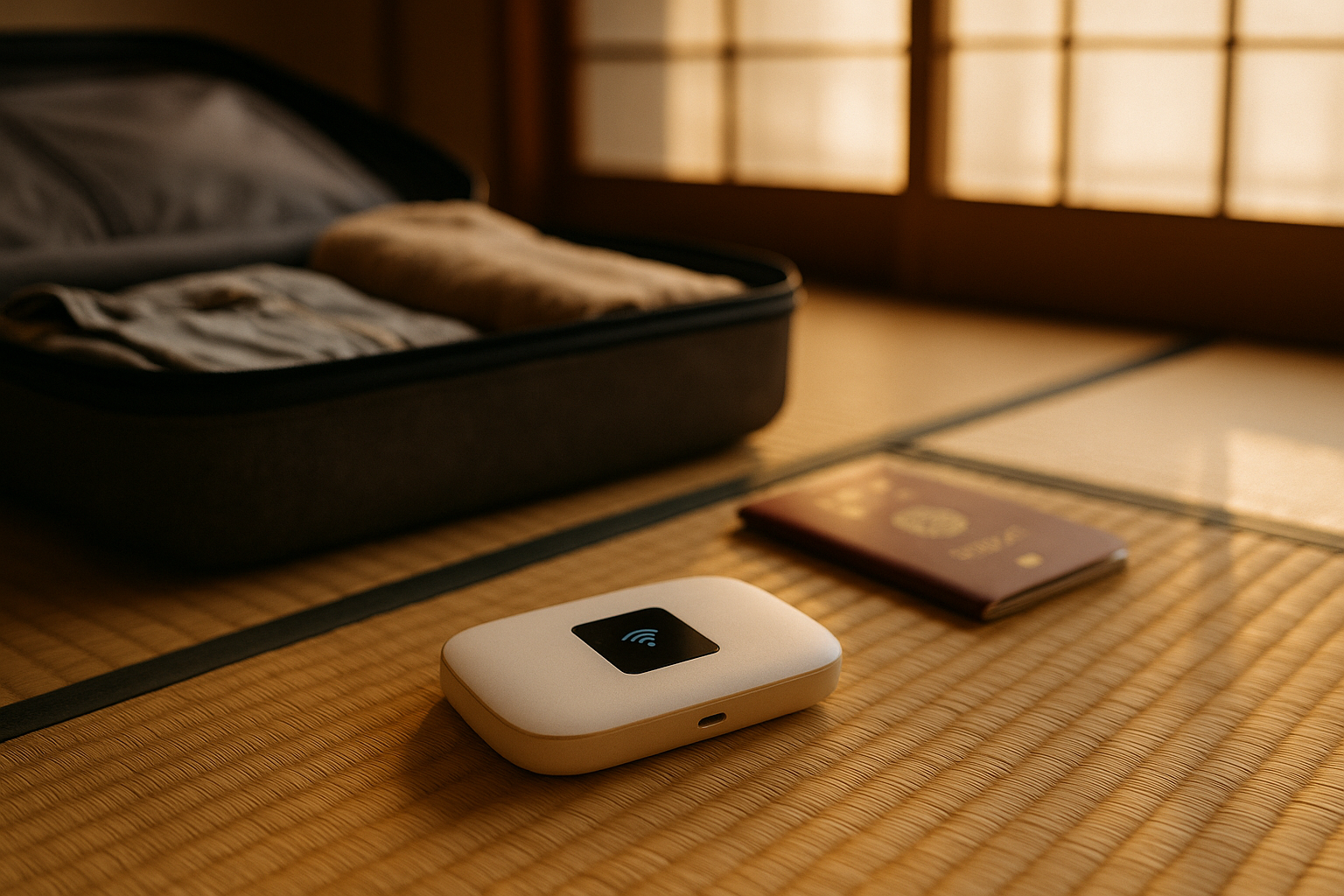
rentnconnect offers mobile hotspot rental that skips the airport desk queue entirely. You collect nothing on arrival—the hotspot device is delivered to your UK address before you leave, so you pack it with your socks and arrive in Japan ready to switch it on. It works across Japan (and actually across multiple countries if your trip includes South Korea or Taiwan as well), and when you're done, you post it back in the prepaid envelope. No nervous dash to the airport return desk an hour before your flight. The rental is short-term and flexible from as little as one day, pay-as-you-go with no subscription or long contract, which is exactly what a holiday needs to be.
If you're travelling solo or just want your own connection, rentnconnect also offers eSIM plans that you buy and manage through the rentnconnect app on iOS or Android. No device to carry, no battery anxiety, no sharing. You install the eSIM profile before you fly, top up data if you need more once you're in Japan, and your phone works exactly as it always does—just with Japanese mobile data instead of eye-watering roaming charges. For a week-long trip to Tokyo and Osaka, it's usually the simpler option, and you're not weighing up whether to lug a second device to the onsen in Hakone.