


Written by the Rent 'n Connect team — portable WiFi and eSIM for travellers.

The Tour de France is one of the most prestigious and iconic cycling races in the world, drawing millions of spectators to its grueling, three-week course. If you're planning a trip to witness this exciting event in person, this comprehensive guide will help you make the most of your experience.
How to Plan a Trip to Tour de France
When planning your trip to the Tour de France, consider the following factors:
Choose the stages you want to see: Study the route and schedule of the race to decide which stages and locations are most appealing to you.
Book your travel and accommodations: Flights, hotels, and other accommodations should be booked well in advance to secure the best rates and availability.
Transportation: Research your options for getting around France, which may include renting a car, public transportation, or joining a tour group.
Essential preparations: Make sure to pack appropriately for the weather, obtain necessary travel documents and insurance, and learn some basic French phrases.
The Cost of Attending the Tour de France
The cost of your trip will depend on various factors, such as:
Flights
Accommodations
Transportation
Food and entertainment
To get an idea of your potential expenses, research average costs for these items and create a budget for your trip.
Participating in the Tour de France
While the professional race is only open to registered teams, there are amateur events for cycling enthusiasts to tackle parts of the course. Research these opportunities if you're interested in experiencing the challenge of the Tour de France firsthand.
The Ideal Duration for Your Tour de France Trip
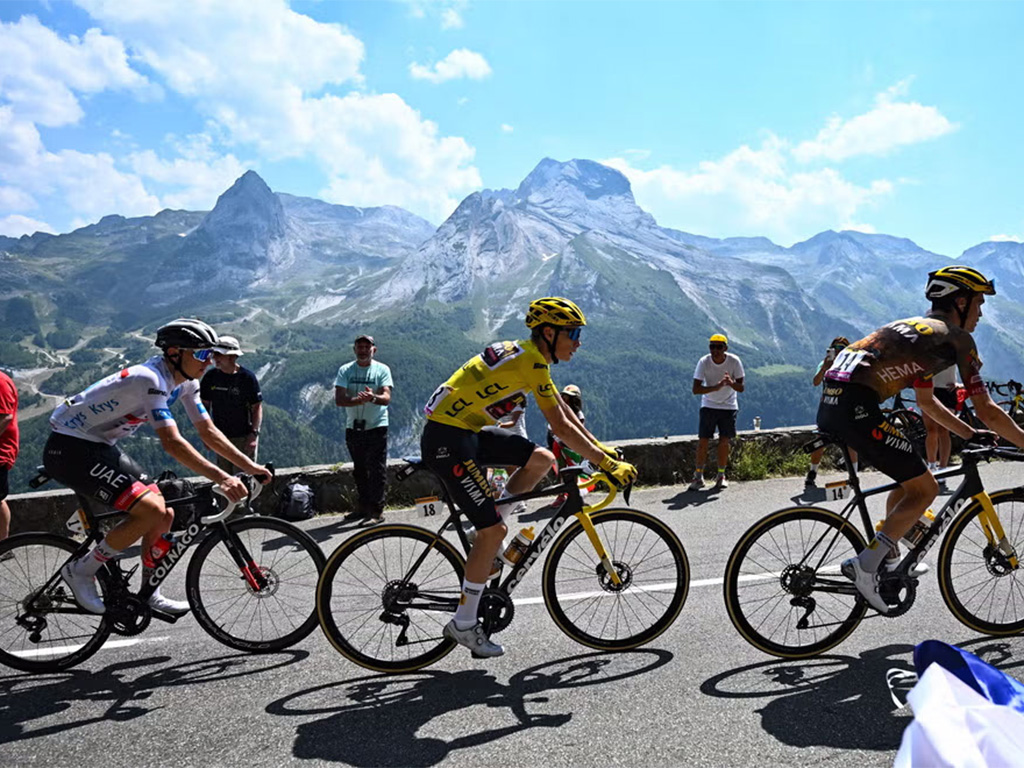
The race itself lasts for three weeks, but your trip's length will depend on your interests and budget. If you only want to see specific stages, a week may suffice. However, if your goal is to follow the entire race or explore more of France, plan for a longer stay.
Tour de France Public Access
Most of the race route is free and open to the public, allowing for excellent spectating opportunities. However, some areas may require tickets for grandstand seating or VIP access to special events and hospitality tents.
Competing as an Individual Cyclist
The Tour de France is only open to professional teams. However, amateur cyclists can participate in the related events, such as L'Étape du Tour or the Tour de France Cyclosportive Series.
Budgeting for Your Trip
Creating a daily budget for your trip will help you manage your expenses. Research average pricing for meals, entertainment, and transport costs to create an estimated daily allowance.
Factors That May Impact Your Trip
Keep in mind that unforeseen incidents, such as a cyclist not finishing a stage, may impact the race schedule or access to certain areas. Stay informed and be prepared to adjust your plans if necessary.
Finding Accommodation
Booking accommodations early will ensure that you secure the best options and rates. Consider a variety of options, such as hotels, vacation rentals, or even camping, to suit your preferences and budget.
Packing Essentials for Your Trip
When preparing for your Tour de France journey, consider packing:
Lightweight, breathable clothing
Rain gear and layers for cooler temperatures
Comfortable walking shoes
Sun protection (hat, sunglasses, sunscreen)
A reusable water bottle
A camera and portable charger
A small backpack or tote for day trips
Bike Hire Options
If you plan to cycle while in France, research bike rental options near your accommodations or the stages you wish to see. Some companies specialize in providing bikes specifically designed for tackling the Tour de France route.
Conclusion
A trip to the Tour de France is an unforgettable experience for cycling fans and casual spectators alike. By planning well in advance and considering the factors outlined in this guide, you can ensure a smooth, enjoyable journey to this iconic sporting event