



An eSIM isn't a physical card you slot into your phone—it's a digital SIM built into your device that you activate with a QR code or app. If you've never used one, it can sound abstract, so let's look at actual examples of how eSIMs work, what they look like in everyday use, and why they've become the go-to option for short trips abroad.

What an eSIM looks like in practice
The most common example of an eSIM is a traveller landing in Barcelona, opening an app, buying a data plan, and getting online within minutes—no shop visit, no tiny plastic card, no PIN tool required. You download the eSIM profile (essentially the digital version of a SIM) via QR code or directly in an app, then activate it in your phone's settings. From that point, it behaves exactly like a normal SIM: you get mobile data, and if the plan includes it, calls and texts too.
Another everyday example: someone heading to New York for a week who wants to avoid roaming charges. They install an eSIM before they fly (or after landing, using airport WiFi), choose a short-term data plan, and switch it on when they arrive. Their UK number stays active for incoming calls, while the eSIM handles data. No need to remove anything, no swapping cards in a taxi. For short-term travel, this flexibility is precisely why services like rentnconnect offer eSIM plans—you can buy data for as little as one day, top up through the rentnconnect app (available on iOS and Android), and you're not locked into anything long-term.
When you'd actually use an eSIM (and when you might not)
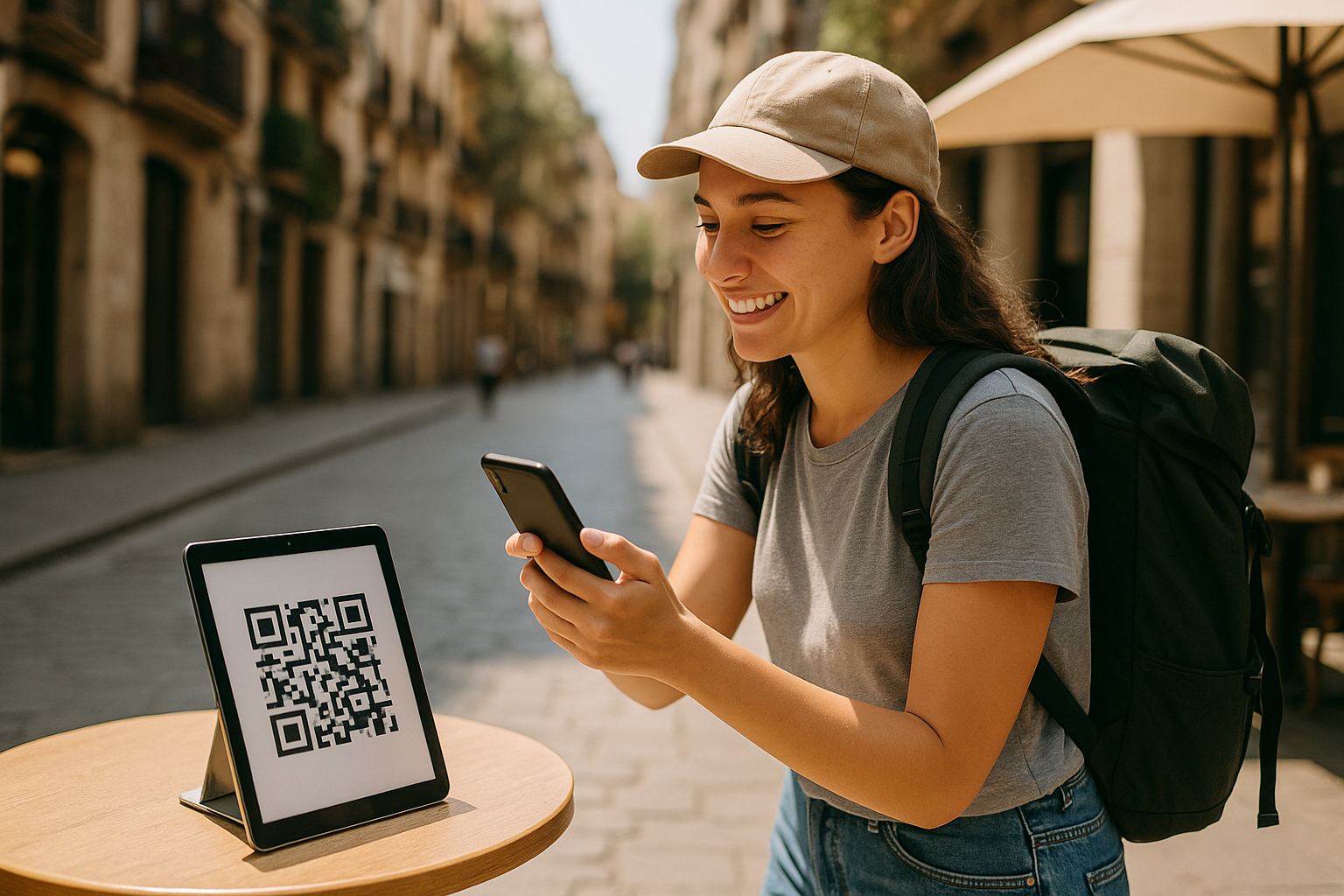
eSIMs make most sense when you need connectivity for a short, defined period—a holiday, city break, or business trip. They're pay-as-you-go by nature, so you're not signing up for a contract or subscription. If you're hopping between countries, many eSIM providers offer regional plans, so one profile can cover multiple destinations without fiddling with settings at each border. That's ideal for a two-week tour through Europe or a quick long weekend in Portugal.
There are cases where an eSIM isn't the right fit. Not all phones support them (older models and some budget Android devices don't have the hardware). If you're travelling with a group and need to share one connection, a mobile hotspot rental often works better—rentnconnect offers pocket WiFi rental alongside eSIMs for exactly this reason. You pick it up, switch it on, and everyone connects via WiFi. No individual setup, no checking whose phone is eSIM-compatible. Both options are short-term and flexible, but the right choice depends on how many devices you're connecting and whether your phone has eSIM capability in the first place.